
Asphalt Paving vs. Concrete: Choosing the Right Surface
People searching for asphalt paving often want durable, smooth surfaces, and local contractors can help them choose and install the best option for their needs.
If you're exploring options for enhancing your property's surfaces, understanding the differences between asphalt paving and concrete can make a significant impact on your decision-making. Property owners in the area often consider these materials for driveways, parking lots, and walkways, weighing factors like durability, appearance, and maintenance needs. Recognizing which surface best aligns with your property's requirements can help ensure long-term satisfaction and functionality. Local contractors specializing in asphalt paving and concrete work are available to provide insights and guidance tailored to your specific project.
Continuing through this comparison, it's helpful to consider practical aspects such as installation processes, lifespan, and how each material performs under local conditions. Whether prioritizing quick installation or seeking a surface that withstands heavy use, knowing the strengths and limitations of asphalt paving versus concrete can inform your choice. Service providers in the area are equipped to assist with these considerations, helping property owners select the right surface that meets their needs while ensuring a smooth, efficient process. Keep reading to gather the information needed to make an informed decision for your property.
- Driveway Installation - homeowners considering asphalt paving vs. concrete for their driveway can rely on local contractors to recommend the best surface based on durability and maintenance needs.
- Parking Lot Paving - property managers evaluating asphalt paving vs. concrete for parking lots benefit from local service providers who assess traffic volume and longevity requirements.
- Roadway Repaving - municipalities or developers needing to choose between asphalt paving vs. concrete for roads can consult local pros to determine the most suitable material for traffic flow and weather conditions.
- Pathway and Walkway Construction - those planning to install walkways can turn to local contractors who advise on whether asphalt paving or concrete best suits aesthetic and functional goals.
- Repair and Resurfacing - property owners looking to restore existing surfaces can work with local pros to decide if asphalt paving or concrete offers the most effective solution for their needs.
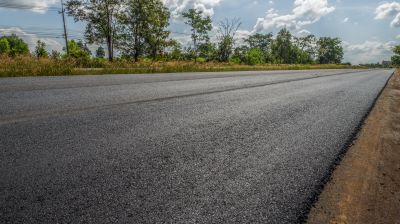
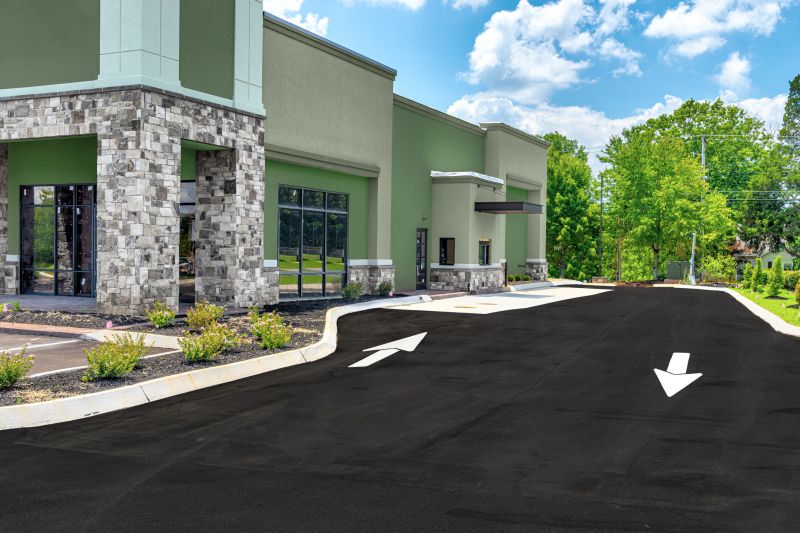
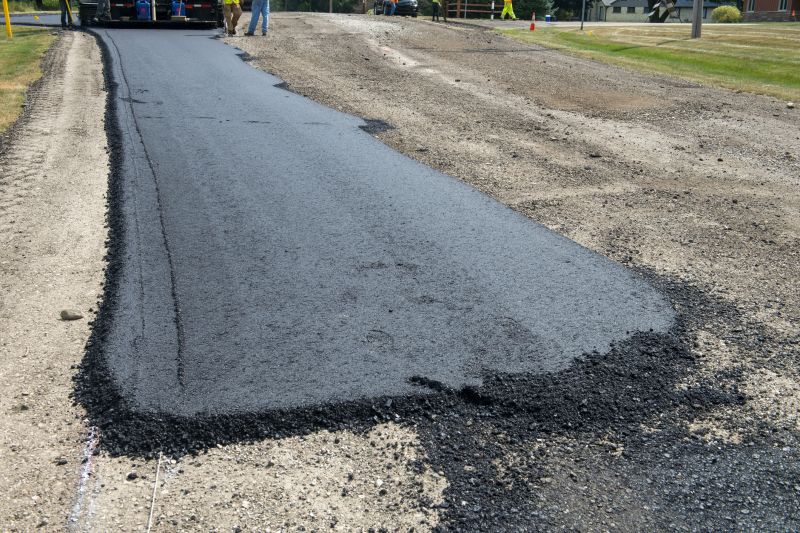
When homeowners search for information about asphalt paving vs. concrete: choosing the right surface, they are often trying to determine the best material for a specific project, such as a driveway, parking lot, or walkway. Many are considering durability, appearance, and long-term maintenance needs to decide which surface will hold up best under their property's unique conditions. This topic frequently comes up when planning upgrades or new installations, especially for properties that see frequent vehicle traffic or heavy use. Understanding the differences helps homeowners make informed choices that align with their property’s function and aesthetic preferences.
These discussions are closely connected to various property-related plans and challenges. For instance, someone might be replacing an aging driveway or creating a new parking area for a small business. Problems such as cracking, uneven surfaces, or drainage issues often influence the decision-making process. Homeowners may also consider how much time and effort will be needed for ongoing maintenance or repairs. The goal is to select a surface that minimizes future problems while fitting the property's practical needs. Local service providers who specialize in asphalt paving or concrete work can assess these factors and recommend solutions tailored to each property’s specific use and conditions.
Properties that typically come into focus in these comparisons include residential driveways, commercial parking lots, walkways, and even recreational courts. Residential properties often prioritize curb appeal and ease of maintenance, leading many to consider concrete for its clean look or asphalt for its affordability and quick installation. Commercial properties, on the other hand, tend to emphasize durability and traffic capacity, making asphalt paving a popular choice for parking areas. Additionally, properties with specific drainage or load-bearing requirements might influence the choice, as certain surfaces perform better under these conditions. Local contractors experienced in both materials can evaluate the property's needs and recommend the best surface to ensure long-term performance.
Understanding how asphalt paving and concrete differ in practical terms helps homeowners see how these options relate to their real projects. For example, asphalt is generally known for its flexibility, making it suitable for areas prone to temperature fluctuations and heavy vehicle use. Concrete, meanwhile, offers a more rigid surface that can last for decades with proper installation, often chosen for its appearance and low maintenance. Local paving and concrete contractors can provide insights into how each material performs in specific environments and help homeowners select the right surface based on their property's size, purpose, and conditions. This guidance ensures that the chosen material not only looks good but also withstands daily use, reducing the need for frequent repairs or replacements.
Driveway Installation - local contractors skilled in driveway projects can help determine whether asphalt paving or concrete best suits the property's needs and aesthetic preferences.
Parking Lot Construction - experts in large-scale surface work understand planning and material selection crucial for durable asphalt or concrete parking areas.
Sidewalk and Pathway Projects - service providers familiar with pedestrian surface installation can advise on the best material choice for longevity and safety.
Basketball or Sports Court Surfacing - specialists can help select the appropriate surface type to meet usage demands and maintenance considerations.
Patio and Outdoor Living Space Paving - local pros can assist in choosing between asphalt or concrete to match outdoor design and functional requirements.
Industrial Flooring Solutions - contractors experienced in commercial surfaces can recommend the optimal material based on load capacity and usage patterns.
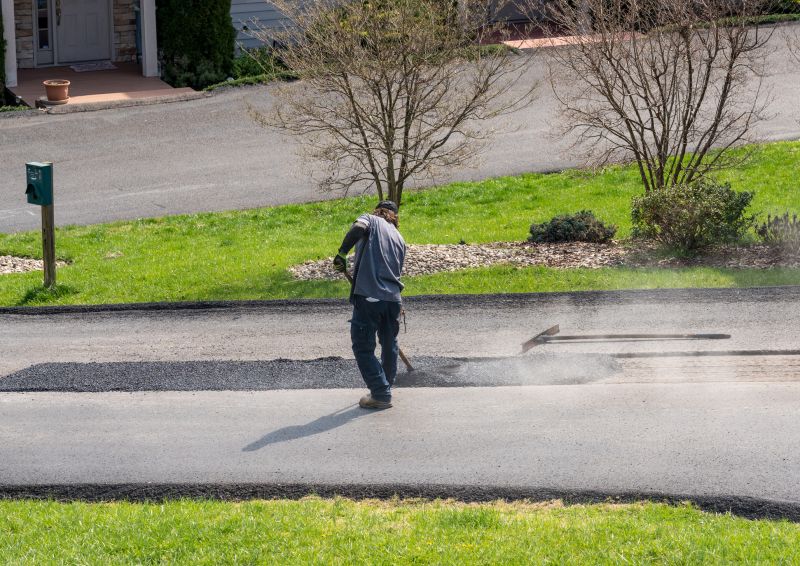
When evaluating asphalt paving versus concrete for a home project, it’s important to consider the experience of local contractors with similar types of work. Homeowners should inquire about the service providers’ past projects, focusing on those that resemble the scope and scale of their own. Contractors with a history of handling comparable surfaces can offer insights into potential challenges and solutions, ensuring the chosen material aligns with the property’s specific needs. Reputable local contractors often have a portfolio or references that can verify their expertise and successful completion of similar projects, providing added confidence in their capabilities.
Clear, written expectations are essential when comparing service providers for asphalt paving or concrete work. Homeowners should seek detailed proposals that outline the scope of work, materials to be used, and the estimated process for installation. This clarity helps prevent misunderstandings and ensures all parties are aligned on project goals. Good communication from the contractor is also a key factor; service providers who are responsive and willing to answer questions can better address concerns and adapt to any unforeseen issues that may arise during the project.
Choosing the right surface involves understanding the reputation and reliability of local contractors, especially regarding asphalt paving services. Homeowners are encouraged to gather reputable references and reviews to gauge the quality of work and professionalism. Engaging with service providers who demonstrate transparency and good communication can lead to a smoother project experience. Ultimately, comparing local pros based on their experience with similar projects, their ability to provide clear expectations, and their reputation for quality can help ensure that the selected surface material and contractor are well-suited to meet the homeowner’s needs.
Property owners often search for asphalt paving vs. concrete: choosing the right surface when they are planning practical projects around their homes and businesses. Local pros provide Asphalt Paving services for everyday jobs and straightforward project options.
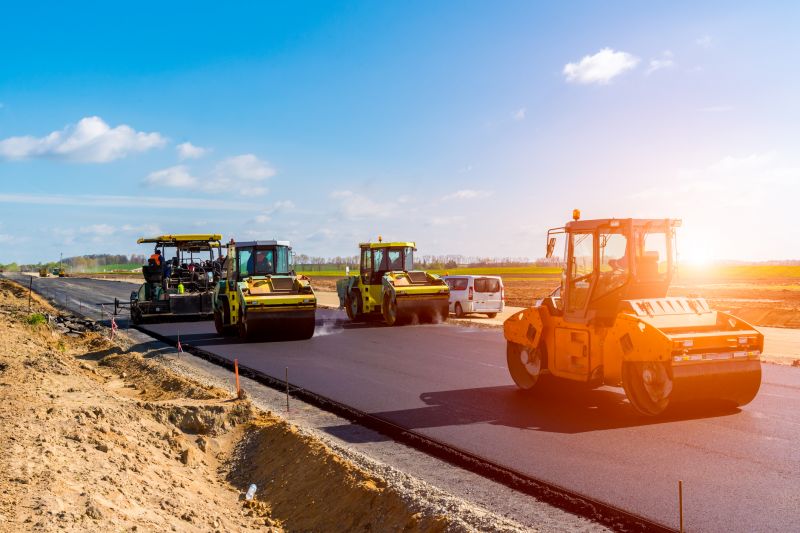
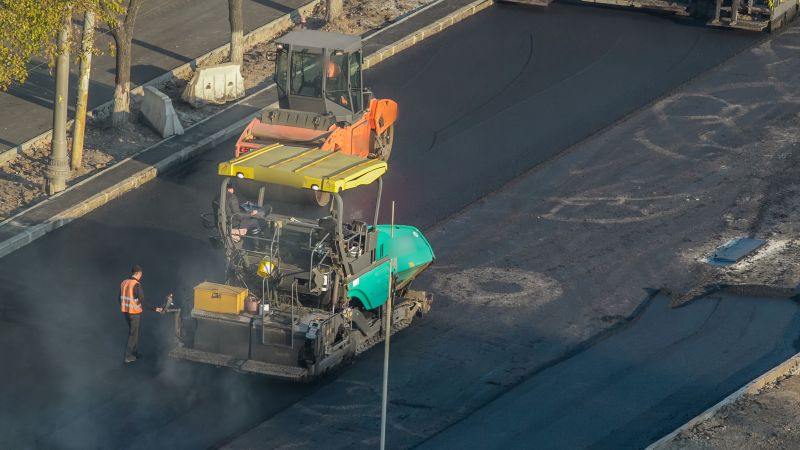
When considering a new driveway, parking lot, or walkway, property owners often explore the differences between asphalt paving and concrete to determine which surface best suits their needs. Asphalt paving tends to be favored for its quick installation and smooth finish, making it a practical choice for those looking for a durable, cost-effective solution. On the other hand, concrete offers a longer-lasting surface that can withstand heavy loads and has the potential for a variety of finishes, appealing to property owners seeking a more permanent option. Local contractors can help evaluate the specific conditions of a property, such as climate and usage, to recommend the most suitable surface type for everyday projects.
Many property owners turn to local service providers to handle asphalt paving because of its versatility and ease of maintenance. Asphalt typically provides a quicker installation process, which can be advantageous for those needing a functional surface in a shorter timeframe. It also offers flexibility in future repairs or modifications. Conversely, concrete might be preferred for its strength and minimal maintenance requirements over time, especially in high-traffic areas. Local contractors can assist in weighing these factors, ensuring the chosen surface aligns with the property’s daily use and long-term goals.
What are the main differences between asphalt paving and concrete surfaces? Asphalt paving typically offers quicker installation and easier repairs, while concrete provides a more durable and long-lasting surface. Local contractors can help evaluate which material suits specific needs and conditions.
How does the appearance of asphalt compare to concrete for driveways or pathways? Asphalt generally has a darker, smoother look, whereas concrete can be finished in various textures and colors. Local service providers can advise on aesthetic options to match property styles.
Which surface is better suited for areas with heavy vehicle traffic? Concrete is often favored for high-traffic areas due to its strength and longevity, but local asphalt paving pros can recommend solutions based on usage and load requirements.
Are there maintenance differences between asphalt paving and concrete surfaces? Asphalt surfaces typically require sealing and periodic repairs, while concrete may need crack filling and surface finishing over time. Local contractors can provide guidance on ongoing maintenance needs.
Can local asphalt paving services handle both new installations and repairs? Yes, local pros are equipped to manage new asphalt paving projects as well as repairs and resurfacing for existing surfaces, ensuring the right choice for each situation.
Assessing durability needs - property owners can work with local contractors to determine whether asphalt paving or concrete will better withstand traffic and weather conditions for their specific project.
Considering maintenance requirements - choosing between asphalt and concrete involves understanding how each surface type responds to regular wear, which local pros can advise on for long-term upkeep.
Matching aesthetic preferences - property owners can explore how asphalt paving or concrete options complement their property's style, with local service providers offering suitable design ideas.
Evaluating installation conditions - consulting with local contractors can help determine the best surface choice based on site accessibility, soil stability, and project scope.
If you are thinking about asphalt paving vs. concrete: choosing the right surface for a property, this guide is meant to help you understand this topic, the typical project types, and how different options might fit your plans.
When you are ready, you can use the quote form on this page to share a few details about your project. From there, local pros can review the basics and follow up with options that match what you have in mind.